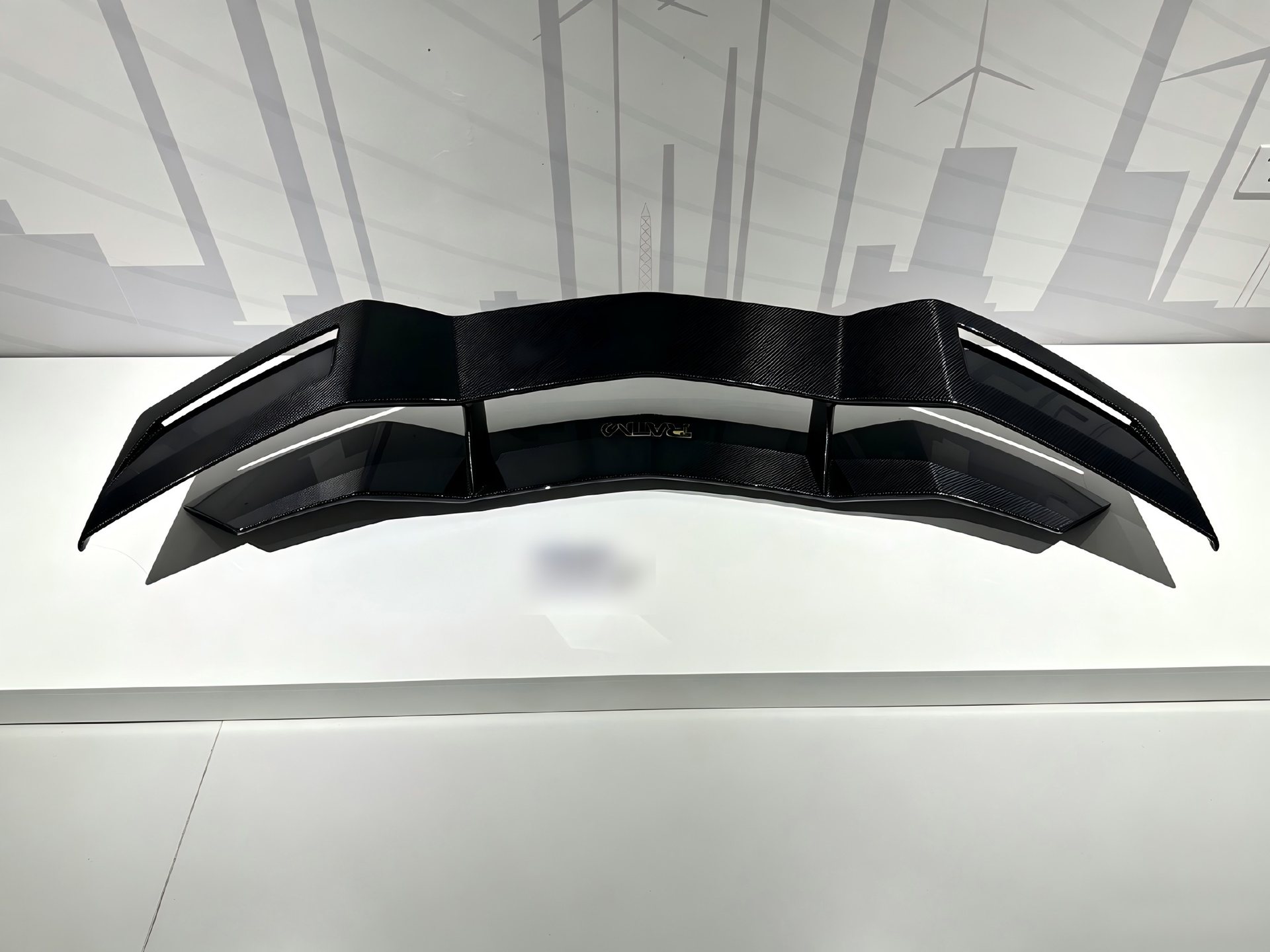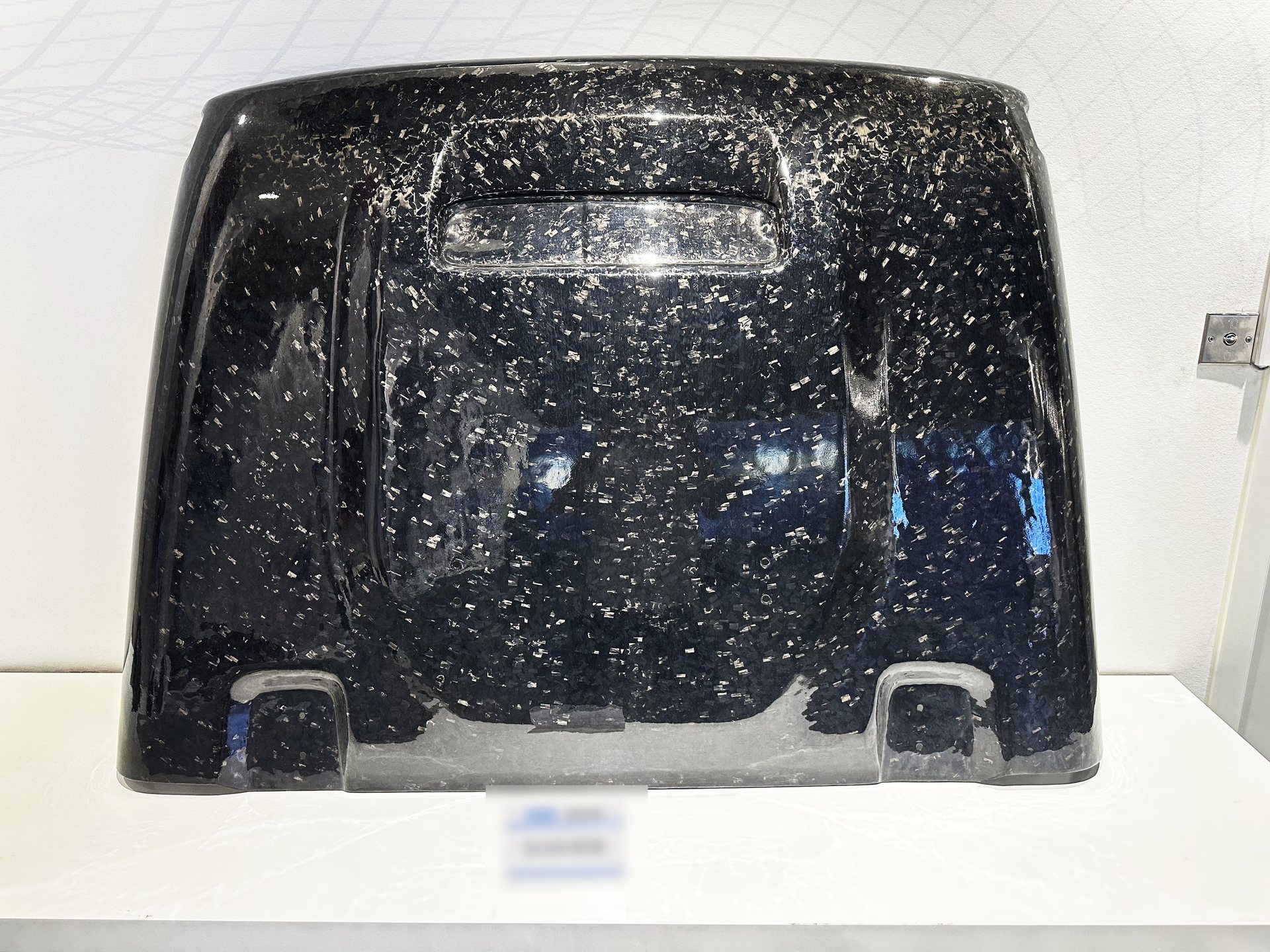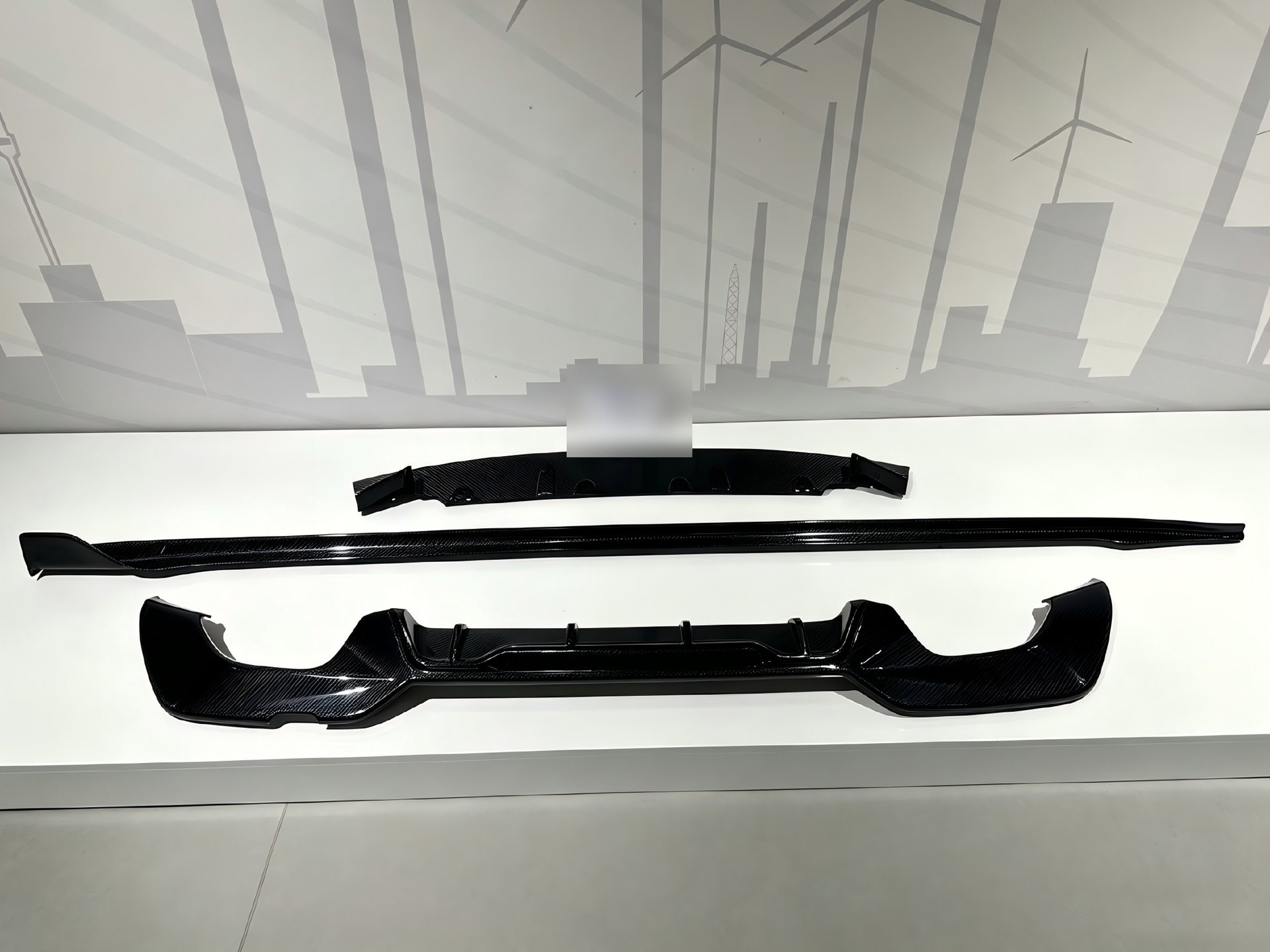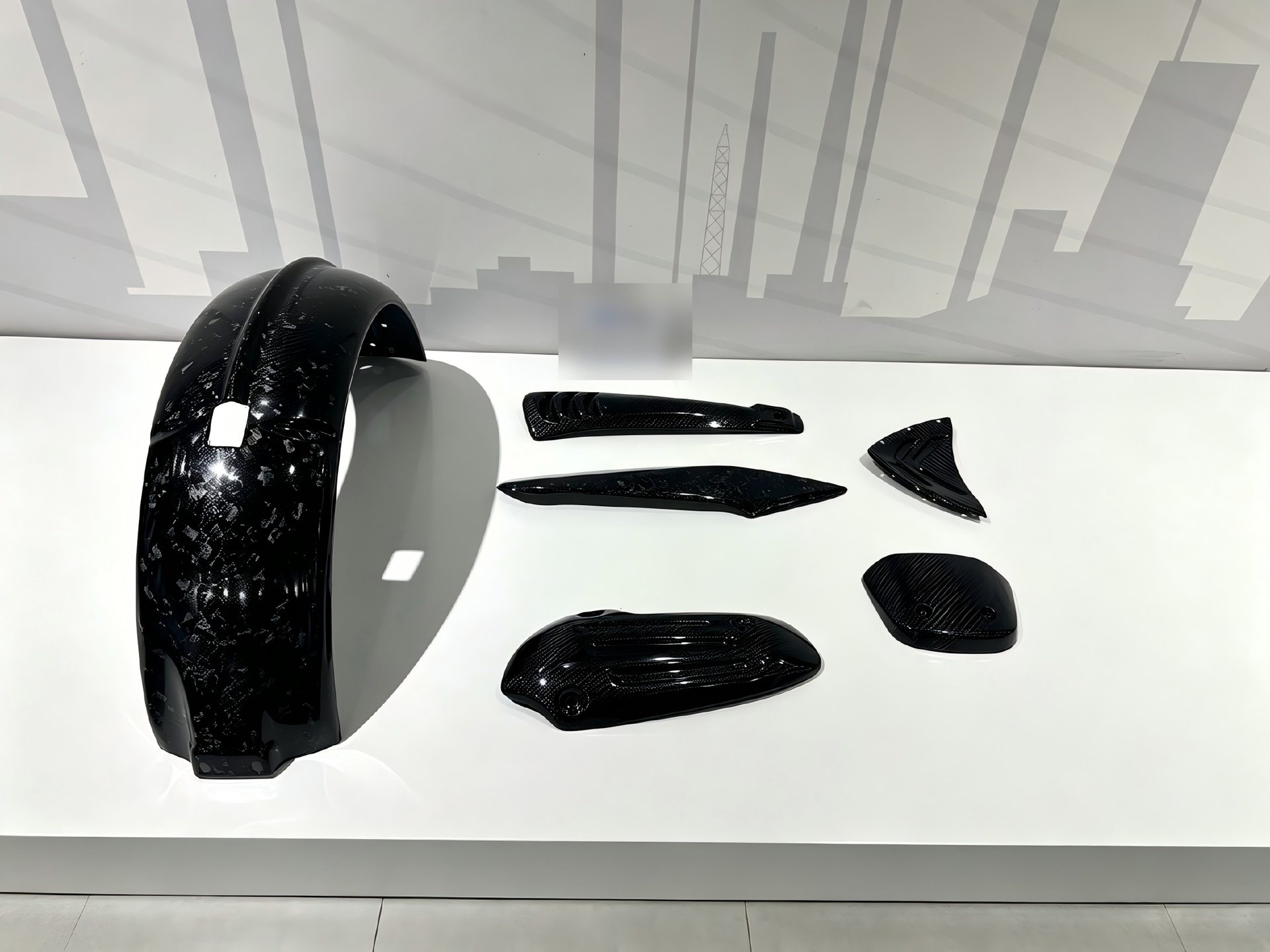
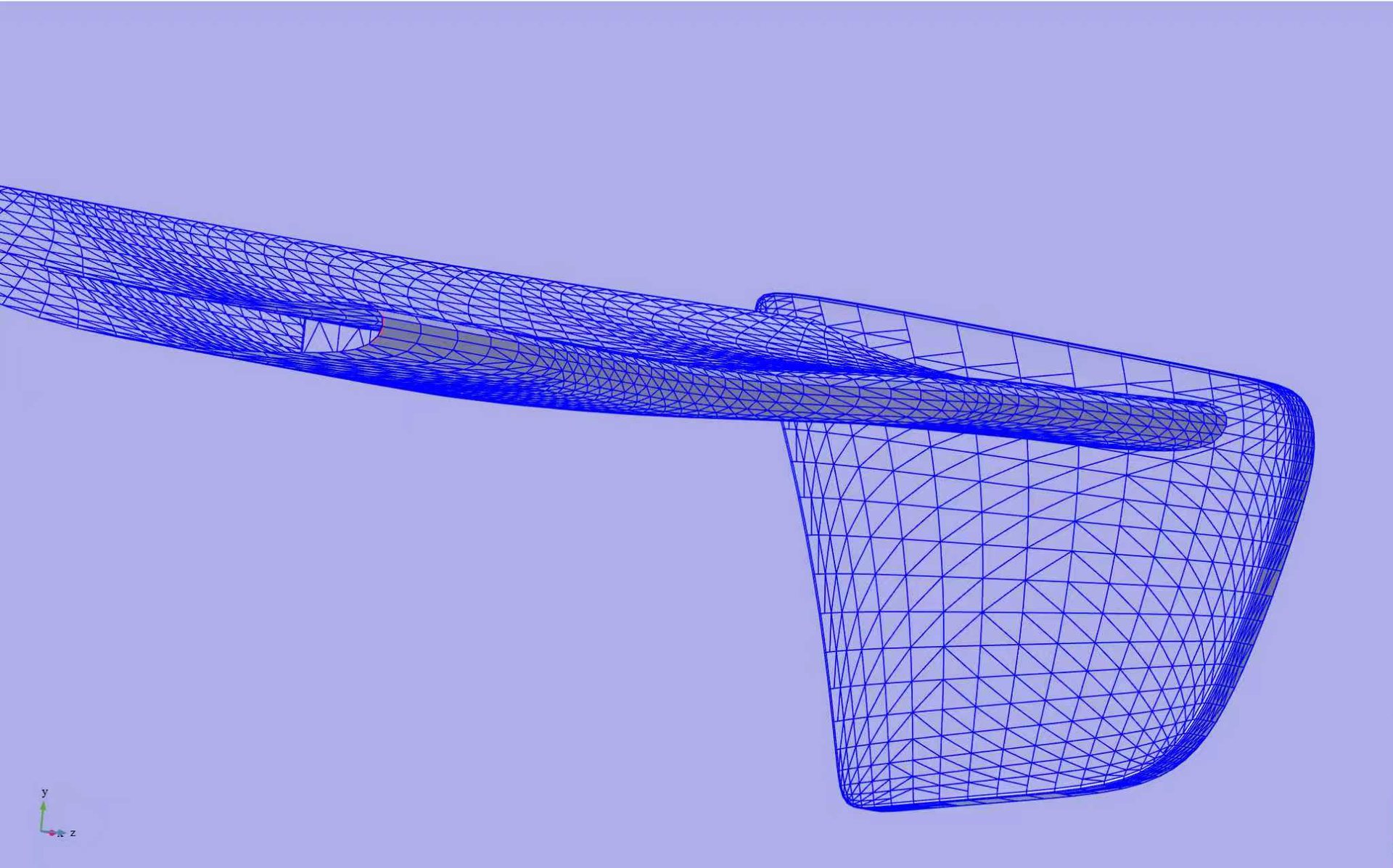
Every aero component we ship starts as a simulation. Our in-house CFD workflow covers airfoil profile development, multi-element wing synthesis, and full underbody flow analysis — then we build the part in carbon fiber, in-house, and validate it on track.
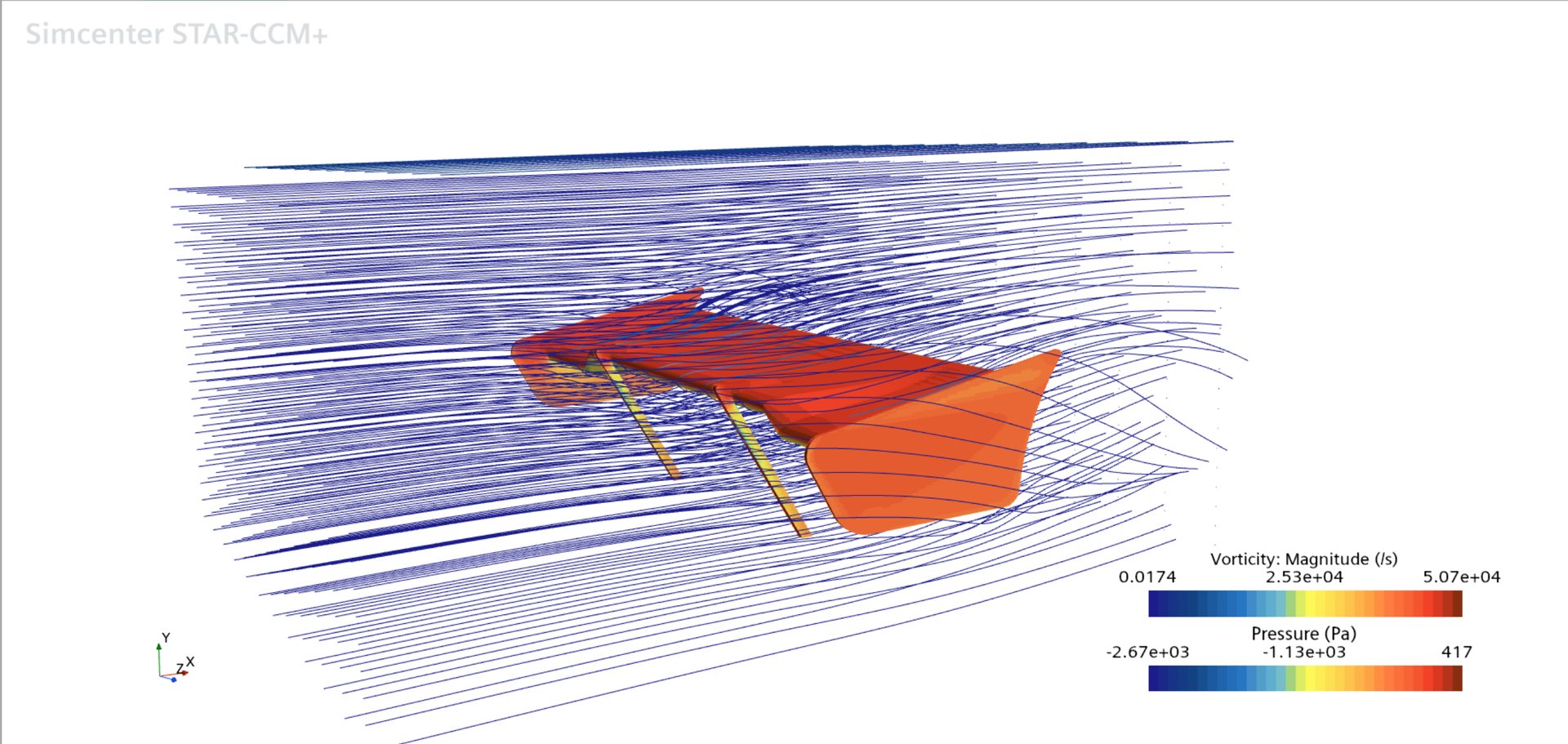
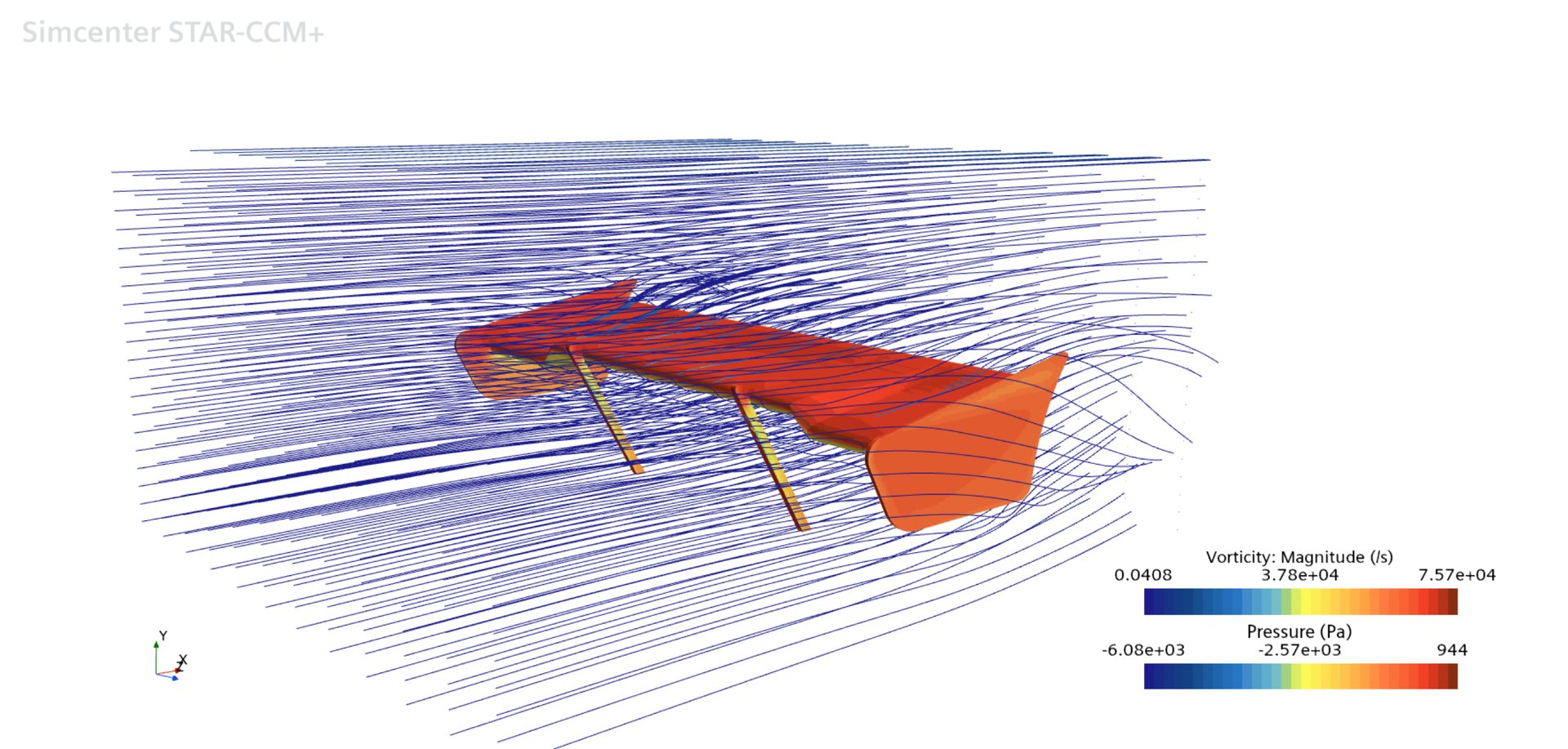
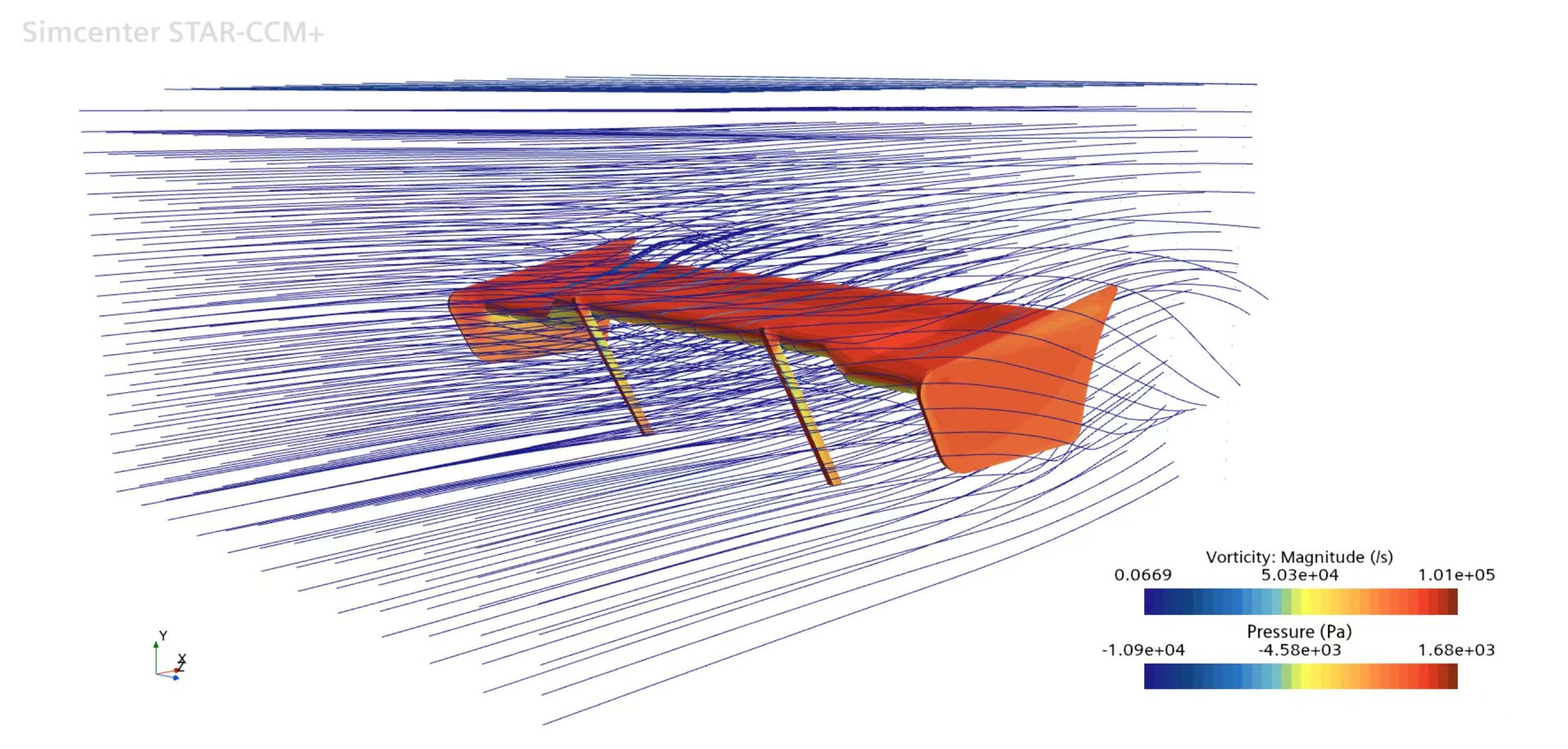
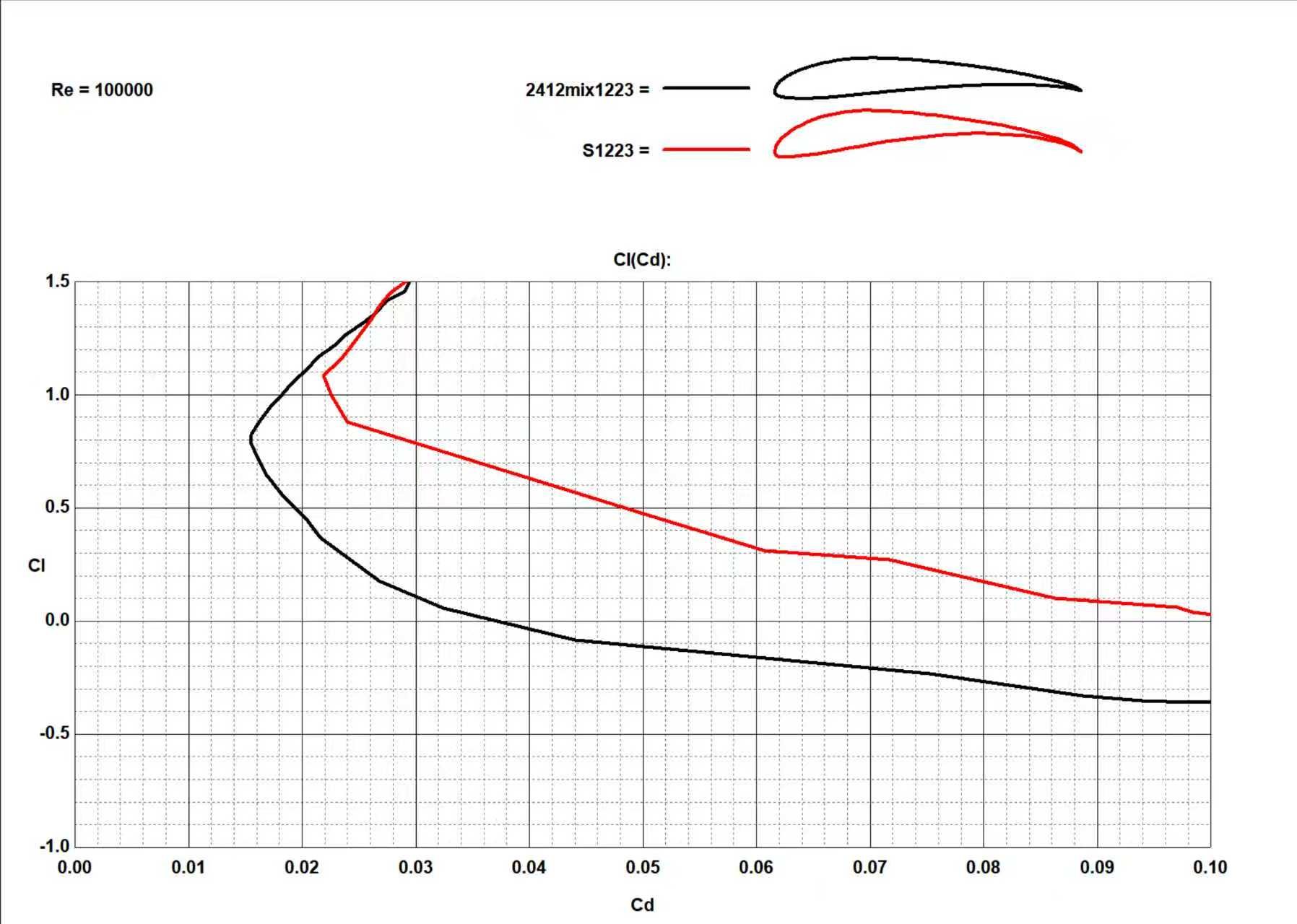
Profile selection is an optimization problem, not a guess. We blend and screen high-lift airfoil candidates against the target's Reynolds regime, then carry the winner through 2-D polars into full 3-D car cases.
Two production routes cover both ends of the market: compression molding for high-volume panels, brackets, and surrounds; and autoclave-cured pre-preg for safety-critical structures — monocoque elements, large aerofoils, battery enclosures. Cloth cutting, CNC trimming, and a dedicated paint booth complete the chain from raw fabric to finished part.
| Material | Density | Tensile Strength | Specific Strength | Notes |
|---|---|---|---|---|
| CFRP | 1.6–1.8 g/cm³ | 3,000+ MPa | 20× steel · 15× aluminum | Corrosion-proof, near-zero thermal expansion |
| 6061-T6 Aluminum | 2.7 g/cm³ | ~310 MPa | Good | The default lightweight metal |
| High-Strength Steel | 7.85 g/cm³ | 550–700 MPa | Limited by self-weight | Cheap, mature, heavy |